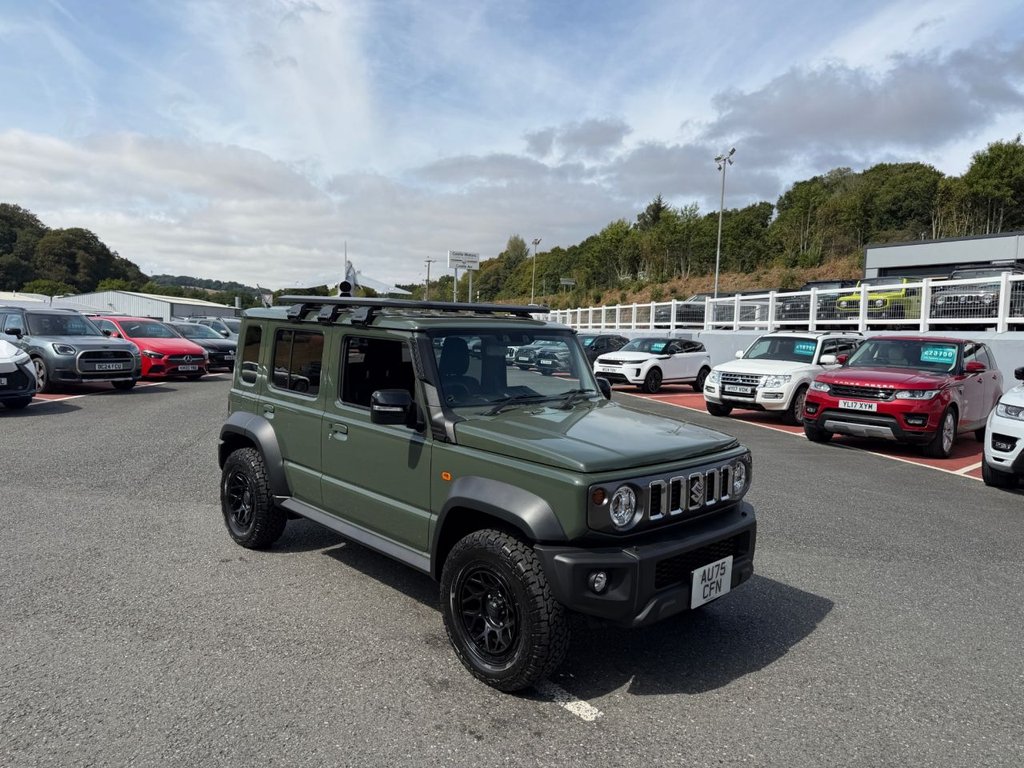
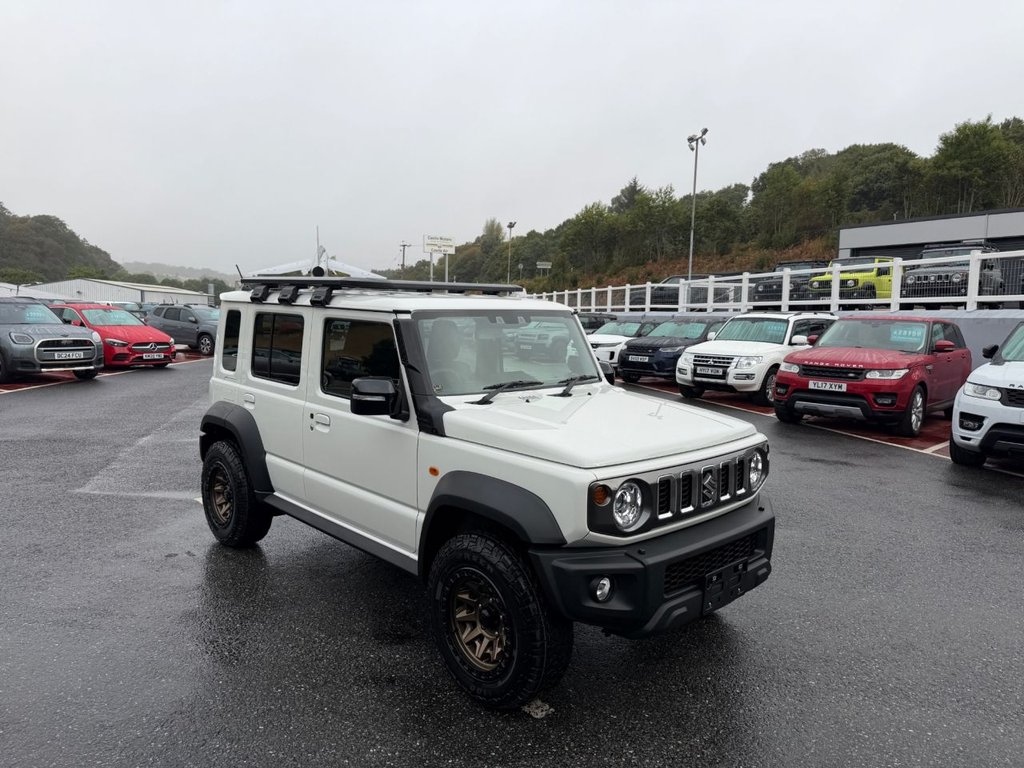
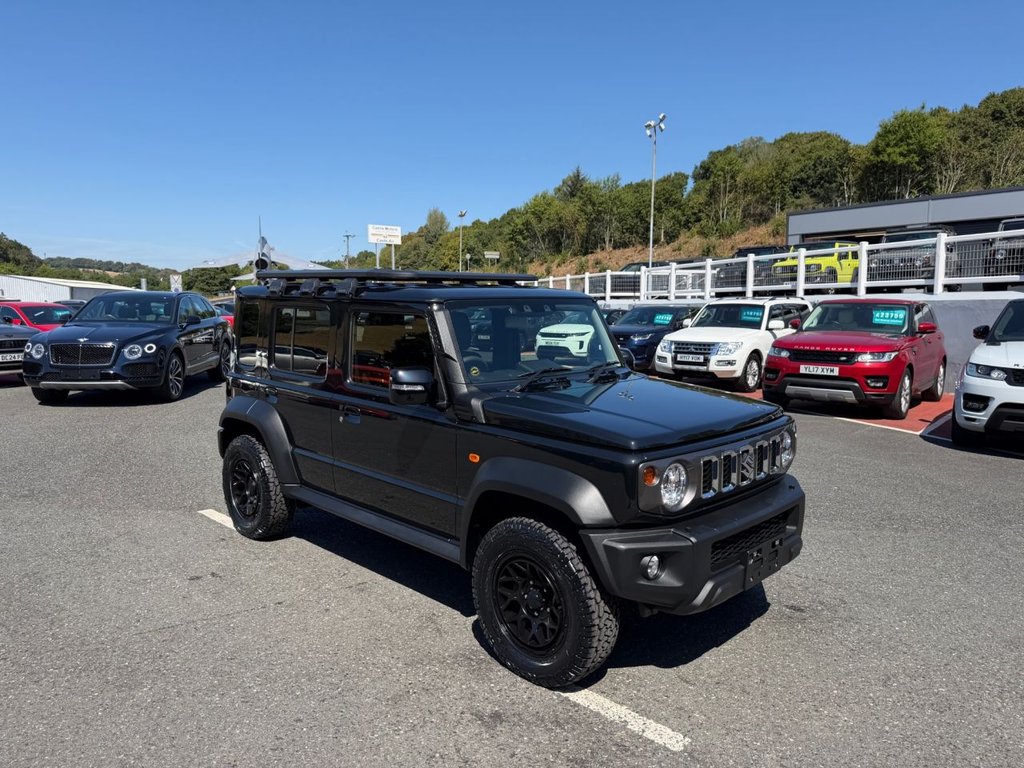
Importing a Jimny from Japan: the process, costs and pitfalls
Doing it yourself is possible. Here is the actual process, and an honest account of where it costs more than people expect.
The steps
- Sourcing. Japanese auction houses grade cars, but grading is not inspection. Buying unseen means trusting the grade and the agent.
- Purchase and export. Deregistration in Japan, export certificate, transport to port.
- Shipping. Roughly six weeks by sea. Marine insurance is not optional.
- Arrival and customs. Import duty plus VAT, calculated on vehicle value plus shipping and insurance.
- Approval. Demonstrating the vehicle meets UK requirements. Modifications may be needed.
- Registration. DVLA application, V5C, UK plate.
Where the costs hide
- Duty and VAT on the total. Shipping and insurance are included in the value that VAT is calculated against, which surprises people.
- Currency movement. Six weeks of exposure between commitment and arrival.
- Port storage. Charged daily once free time expires, and paperwork delays are common.
- Approval remediation. Speedometer, lighting and other items may need attention.
- Your time. Substantial, and easy to leave out of the sums.
The risks
Auction grades describe condition, not history. Underbody corrosion from salted roads is not always visible in auction photographs. And if the car arrives materially different from expectations, you have limited recourse across jurisdictions.
Is it worth it?
Sometimes, genuinely. If you want an unusual specification, enjoy the process and can absorb a bad outcome, importing yourself can save money.
For most buyers it does not, once the risk is priced honestly. We import and sell these cars, so treat our view with appropriate scepticism — but the specific thing you are paying a dealer for is that every risk above has already resolved before you see a price.
If you do buy privately
Insist on a V5C in hand, evidence of approval, an mph speedometer, and a documented history. “Registration applied for” is not the same as registered.